Learning how to use a chainsaw is not simply about pulling the starter, squeezing the throttle, and cutting through wood. A chainsaw is a powerful cutting machine that can make difficult outdoor jobs much faster, but it can also cause serious injuries when used incorrectly.
That is why beginners should treat chainsaw operation as a skill that requires preparation, protective equipment, good judgment, and practice. OSHA describes chainsaws as efficient but potentially dangerous portable power tools and recommends proper operation, maintenance, training, and protective equipment to reduce injury risks.
Before you make your first cut, you need to understand the machine, inspect it carefully, prepare your work area, and know what situations are beyond your experience. A safe operator does not rush. Instead, the operator thinks about where the saw is, where the wood may move, where branches could fall, and where a safe escape route is available.
This article explains how to use a chainsaw for basic tasks such as cutting manageable branches and fallen wood while emphasizing the safety practices that matter most. For tree felling, work near electrical lines, large or unstable trees, or difficult storm-damaged trees, professional training is strongly recommended.
Understanding a Chainsaw Before You Use It
A chainsaw consists of several important parts that work together. The guide bar supports the cutting chain, while the chain contains sharp cutters that remove wood as the chain travels around the bar. The engine or electric motor provides the power, and the throttle controls the chain speed on many models.
You will also find a front handle, rear handle, chain brake, throttle trigger, throttle lockout, chain catcher, and other safety components depending on the model. Understanding these components is an important first step in learning how to use a chainsaw safely and effectively.
Knowing these parts makes the machine easier to control because you will understand what each control does before you begin cutting. When learning how to use a chainsaw, your owner’s manual should always be your primary reference because starting procedures, chain specifications, maintenance requirements, and safety systems vary between models. OSHA specifically advises operators to check controls, chain tension, bolts, handles, and safety devices and to operate the chainsaw according to the manufacturer’s instructions.
Main Parts of a Chainsaw
The guide bar is the long metal bar around which the chain travels. Its length varies depending on the chainsaw model and intended use. The cutting chain is the moving part that actually cuts the wood, so it must be sharp, correctly tensioned, properly lubricated, and suitable for the guide bar.
The chain brake is an important safety feature designed to stop the chain quickly in certain situations, especially when kickback occurs. Understanding how these components work together is an essential part of learning how to use a chainsaw safely and correctly.
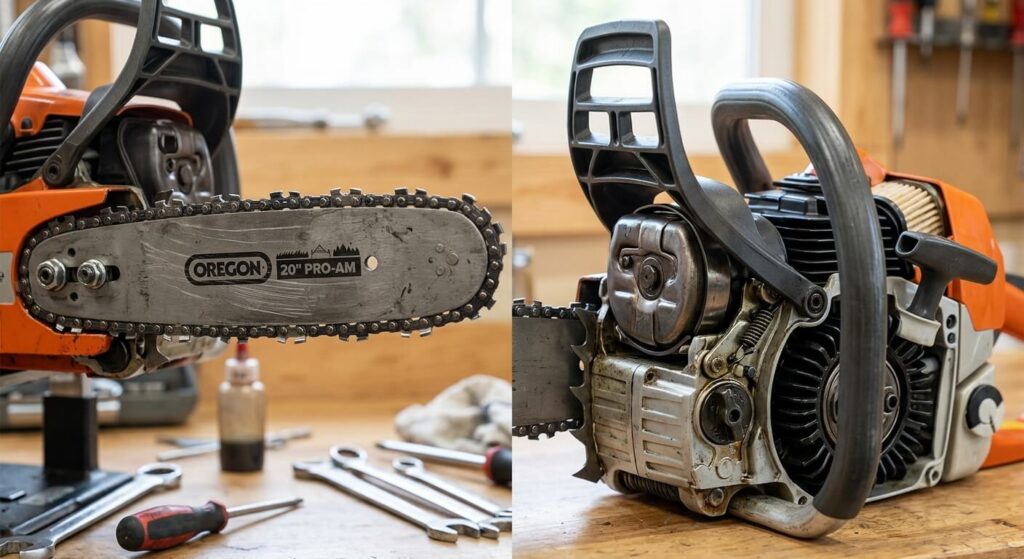
The front and rear handles give you control over the machine. During normal operation, both hands should remain on the handles, with a secure grip and stable footing. OSHA’s safety guidance states that the operator should keep the hands on the handles and maintain secure footing while operating the saw. Following these basic principles is an important part of learning how to use a chainsaw safely.
Other parts may include the throttle trigger, throttle lockout, chain tensioner, oil reservoir, fuel tank on gasoline models, battery compartment on cordless models, and protective hand guard. Before using the saw, identify every control and understand its purpose.
Knowing how each component works will help you understand how to use a chainsaw correctly and reduce the risk of mistakes during operation. If you cannot confidently explain what a control does, read the manual before operating the machine.
How Chainsaw Safety Features Work
Modern chainsaws contain several safety features designed to reduce the consequences of mistakes. The chain brake is one of the most important because it can stop chain movement rapidly. Many chainsaws also have a throttle lockout that helps prevent accidental acceleration, while a chain catcher can help reduce the risk associated with a broken or derailed chain. Understanding these safety features is an essential part of learning how to use a chainsaw safely.
Never remove, disable, or modify safety devices. OSHA’s logging standard specifically requires applicable chainsaws to have kickback protection and states that protective devices must not be removed or disabled. Following these requirements is important when learning how to use a chainsaw and preparing the machine for operation.
A safety feature is not a substitute for good technique. Think of these features as a seat belt in a vehicle: they are important protection, but you still need to operate the chainsaw carefully when learning how to use a chainsaw. If a safety device is damaged or does not operate correctly, stop using the chainsaw until it has been properly repaired.
Choose the Right Chainsaw for the Job
The best chainsaw for you depends on what you intend to cut, how frequently you will use it, and your experience level. A small battery-powered saw may be suitable for light pruning or manageable branches, while larger jobs may require a more powerful machine.
Choosing a chainsaw that is too large can make control more difficult, especially for a beginner learning how to use a chainsaw. Choosing one that is too small for the material can also create problems because the operator may be tempted to force the machine through wood.
Read the manufacturer’s recommendations before purchasing or using a chainsaw. The guide bar, chain type, engine or motor capacity, and intended application should all match the work. Understanding these factors can help you choose the right equipment before learning how to use a chainsaw. A chainsaw should make the job manageable rather than forcing you to use excessive pressure.
Gas, Battery, and Electric Chainsaws
Gasoline chainsaws are commonly used for heavier outdoor work because they can provide substantial power and do not depend on an electrical outlet. However, they require fuel handling, engine maintenance, and additional attention to starting and refueling procedures. Understanding these requirements is important when learning how to use a chainsaw safely.
Battery-powered chainsaws are often convenient for homeowners because they can be quieter, easier to start, and simpler to maintain than gasoline models. Their operating time depends on the battery and workload. Corded electric chainsaws can work well for suitable light-duty tasks near a compatible electrical supply, but the cord introduces another hazard because it must be kept away from the cutting area.
Regardless of the power source, the basic safety principles remain the same when learning how to use a chainsaw: use the correct machine, wear appropriate PPE, inspect it before use, maintain stable footing, keep both hands on the handles, and avoid situations beyond your skill level.
Wear the Right Chainsaw Safety Gear
Personal protective equipment, commonly called PPE, is an important part of learning how to use a chainsaw safely. Appropriate equipment can reduce the severity of injuries if something goes wrong. OSHA identifies head, hearing, eye, and face; hand; foot; and leg protection among the protective equipment relevant to chainsaw work.
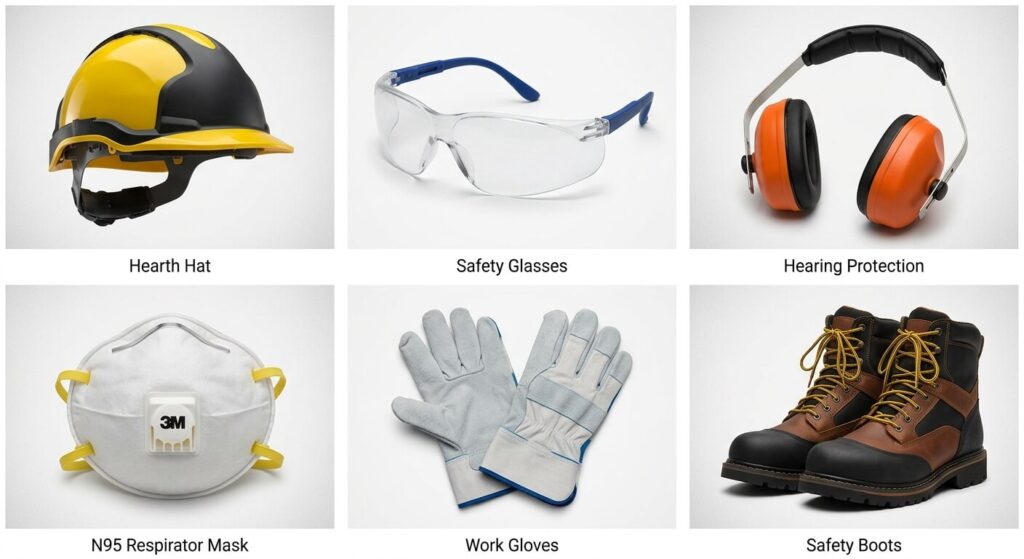
For basic chainsaw work, suitable equipment can include a hard hat when overhead hazards exist, eye protection, hearing protection, gloves, protective footwear, and chainsaw-resistant leg protection such as appropriate chaps or protective trousers. Wearing the right protective equipment is an essential part of knowing how to use a chainsaw responsibly. Your clothing should fit properly and should not have loose sections that could become caught in equipment.
Essential Personal Protective Equipment
A useful chainsaw PPE checklist includes:
- Safety glasses or suitable eye and face protection
- Hearing protection
- Protective gloves
- Appropriate safety footwear
- Chainsaw-resistant leg protection
- Head protection when required by the work environment
- Suitable close-fitting work clothing
PPE should never be treated as permission to take greater risks when learning how to use a chainsaw. For example, wearing chainsaw chaps does not mean you can intentionally place your legs near the cutting chain. Safe clothing is your backup layer of protection, not your main method of preventing accidents. Good technique, proper awareness, and following the manufacturer’s safety instructions should always be the primary parts of learning how to use a chainsaw safely.
Inspect the Chainsaw Before Starting
One of the most important steps in how to use a chainsaw is the inspection before starting. Do not assume that a machine is safe simply because it worked correctly yesterday. A loose chain, damaged handle, faulty brake, missing guard, or dull chain can change the way the machine behaves.
Before learning how to use a chainsaw, check the chain tension according to the manufacturer’s instructions. Inspect the guide bar, chain, handles, controls, chain brake, throttle mechanism, and other safety features. Also make sure the appropriate chain oil or lubrication system is ready for operation. OSHA recommends checking controls, chain tension, bolts, handles, and safety devices before starting.
If the chain is damaged, the safety brake does not work, or another important component is defective, do not improvise a repair and continue cutting. Have the saw properly serviced or repair it according to the manufacturer’s instructions. A thorough pre-use inspection is an essential part of learning how to use a chainsaw safely.
Prepare a Safe Work Area
A chainsaw does not operate in isolation. The surrounding environment can create just as much danger as the machine itself. Before learning how to use a chainsaw in a specific work area, look around the entire area and identify obstacles, uneven ground, loose branches, rocks, fences, vehicles, buildings, people, and other hazards.
Remove obstacles that could interfere with your footing or movement. OSHA recommends clearing debris and obstacles from the cutting area and planning a safe movement or retreat path when working around trees. Checking the work area carefully is an important part of learning how to use a chainsaw safely.
Check for People, Obstacles, and Power Lines
Keep other people away from the immediate cutting area when learning how to use a chainsaw. Never assume someone standing nearby understands how far they need to stay away from the saw or falling material. Children and pets should be kept completely away from the work zone.
Power lines require special caution when learning how to use a chainsaw. Never cut a tree or branch that may contact an electrical line unless the work is being handled under appropriate professional procedures. Electricity can travel through trees and equipment, and simply looking at a line is not enough to determine whether a situation is safe.
Also look upward before starting work. Dead branches, hanging limbs, and unstable material can fall unexpectedly. OSHA specifically warns operators to identify overhead hazards such as loose branches before cutting. Checking for these hazards is an important part of learning how to use a chainsaw safely.
How to Start a Chainsaw Safely
Starting a chainsaw incorrectly can create an immediate loss-of-control situation. Follow the starting procedure in your owner’s manual because different machines have different controls. As a general safety principle, the saw should be placed on the ground or another firm support when starting, with the chain brake engaged. Following the correct starting procedure is an essential part of learning how to use a chainsaw safely.
OSHA states that chainsaws should be started on the ground or with another firm’s support and that drop-starting is prohibited under its logging standard. The same standard requires the chain brake to be engaged during starting.
For gasoline chainsaws, refueling must be handled carefully. OSHA guidance says fuel should be kept away from ignition sources and that the saw should be started away from the fueling area. Never fuel a running or hot chainsaw. These precautions are important to understand when learning how to use a chainsaw.
After the engine starts, do not immediately rush into the cut. Allow yourself a moment to confirm that the saw is behaving normally and that you have stable footing and full control before beginning work.
How to Hold a Chainsaw Correctly
Your grip and body position are central to safe chainsaw operation. Keep both hands on the handles during normal cutting. Wrap your hands securely around the handles and position yourself so that you can maintain balance if the saw moves unexpectedly. Maintaining proper grip and body position is an essential part of learning how to use a chainsaw safely.
Stand with your feet positioned to provide a stable base. Avoid awkward positions, overreaching, slippery ground, or locations where the saw could pull you off balance. OSHA states that a chainsaw should not be used in a position or at a distance that causes the operator to become off-balance, lose secure footing, or lose a firm grip.
Keep the saw under control rather than forcing it into the wood. Let the properly maintained chain do the cutting. Excessive pressure can make the saw harder to control and may indicate that the chain needs attention or that the saw is not appropriate for the material. These techniques are important when learning how to use a chainsaw correctly.
How to Make Basic Cuts With a Chainsaw
For beginners, it is best to start with manageable pieces of wood that are already on the ground rather than attempting to cut standing trees. Before making a cut, examine the wood and think about how it might move when the cut is completed.
Wood can contain internal tension. A branch or log may move, roll, pinch the guide bar, or spring unexpectedly after being cut. This is why you should never treat every piece of wood as if it behaves the same way.
Keep the saw under control and avoid using the tip of the guide bar for ordinary cutting. OSHA specifically warns operators about kickback and recommends avoiding the kickback zone near the bar tip.
Cutting Small Branches and Logs
When learning how to use a chainsaw, start with small branches or manageable pieces of fallen wood and first make sure the material is stable. Do not cut material that can roll toward you or shift suddenly. If the wood is under pressure or supported in a way that could cause it to move, stop and reassess the situation rather than guessing how it will react.
Never cut directly overhead. OSHA specifically prohibits overhead chainsaw cutting in its logging safety requirements.
For a beginner learning how to use a chainsaw, simple ground-level work on stable wood is much more appropriate than climbing, using a ladder, or attempting to cut branches above shoulder height. If a branch is high, difficult to reach, heavily loaded, or positioned over a structure, hiring a trained tree professional is a safer option.
Understanding Chainsaw Kickback
Kickback is one of the most important hazards to understand when learning how to use a chainsaw. It can happen when the upper portion of the guide bar tip contacts an object or when the chain becomes pinched in certain conditions. The saw can react rapidly and move toward the operator.
This is why you should always know where the guide bar tip is when learning how to use a chainsaw. Do not casually swing the saw or allow the tip to contact wood, branches, the ground, or other objects. OSHA specifically advises operators to be cautious of kickbacks and not to use the tip of the guide bar for cutting.
Use a chainsaw equipped with its appropriate kickback protection and keep the chain brake and other safety features functioning correctly. Never remove a protective device because you believe it makes the machine easier to use.
The safest approach is prevention. Maintain a stable stance, keep both hands on the saw, avoid the kickback zone, use the correct chain and guide bar, and follow the manufacturer’s operating instructions. These practices are essential for anyone learning how to use a chainsaw safely.
How to Avoid Common Chainsaw Mistakes
Many chainsaw accidents happen because an operator becomes comfortable and begins ignoring basic rules. A person may think, “It will only take a few seconds,” and then skip protective equipment or use an unsafe position. That small shortcut can create a serious problem.
Common mistakes include starting the saw while holding it improperly, cutting with one hand, working while tired, using a dull or damaged chain, cutting above shoulder height, standing on unstable surfaces, ignoring overhead hazards, and carrying a running chainsaw unnecessarily.
Fatigue is another major concern. OSHA recommends taking breaks because fatigue can increase the risk of accidents and injuries.
If you notice yourself losing concentration, struggling to maintain control, or rushing because you want to finish quickly, stop the job. A chainsaw will still be there after you take a break.
How to Cut Fallen Trees Safely
Fallen trees can look easier to cut than standing trees, but they can contain significant tension and movement. A trunk may be supported at several points, causing different sections to behave differently when cut. Branches can also be bent under pressure and may move suddenly when released. Understanding these risks is an important part of learning how to use a chainsaw safely.
For this reason, beginners should not assume that a fallen tree is automatically safe. Before touching the saw, inspect the entire tree, identify unstable sections, check for overhead hazards, and consider whether the trunk could roll or move. If you are unsure how the material may react, do not attempt the cut.
OSHA advises operators to watch for objects under tension and to use extreme care when bringing material safely to the ground.
Large fallen trees, storm-damaged trees, trees under tension, and tangled branches are best handled by trained professionals. A professional can assess the structure of the tree and use specialized techniques and equipment appropriate to the situation. This is especially important for beginners who are still learning how to use a chainsaw.
When You Should Not Cut a Tree Yourself
Knowing when not to use a chainsaw is just as important as knowing how to use a chainsaw. You should seriously consider professional assistance when a tree is large, leaning heavily, damaged by a storm, split, rotten, close to a building, near electrical lines, or positioned on steep or unstable ground.
OSHA identifies several higher-risk operations, including trees on unstable ground or steep slopes, heavily leaning trees, trees with root or stem rot, and trees known to split. Understanding these risks is an important part of learning how to use a chainsaw responsibly.
Do not use a ladder as a substitute for proper tree-cutting equipment or training. Avoid climbing into a tree with a chainsaw unless you have appropriate professional training and equipment. Chainsaw work at height introduces additional fall and cutting hazards.
A useful rule for beginners is simple: if you are uncertain how the tree or branch will react, do not make the cut. Getting professional help may cost money, but it can prevent injuries and property damage.
Chainsaw Maintenance After Use
Learning how to use a chainsaw also means learning how to maintain it. Regular maintenance helps the machine perform as intended and allows you to discover damaged components before the next job.
After use, clean debris from appropriate areas of the saw according to the owner’s manual. Check the chain and guide bar for damage, inspect the safety components, and make sure the machine is ready for storage. If the chain has become dull, have it sharpened correctly or replace it according to the manufacturer’s specifications. Proper maintenance is an important part of knowing how to use a chainsaw safely and responsibly.
Do not ignore unusual vibration, poor cutting performance, excessive noise, or other changes in operation. These signs can indicate that the chainsaw needs maintenance or professional inspection.
OSHA’s safety materials emphasize checking the chain and machine components and keeping equipment in proper working condition.
How to Keep a Chainsaw Chain Sharp
A sharp chain makes cutting more efficient, while a dull chain can make the operator work harder and may produce poor cutting performance. OSHA’s logging standard states that cutting edges should be sharpened according to the manufacturer’s specifications when they become dull during work. Understanding proper chain maintenance is an important part of learning how to use a chainsaw safely.
If you are a beginner, learn chain sharpening from the manufacturer’s instructions or a qualified chainsaw technician. Different chains require specific file sizes, angles, and depth-gauge settings. Guessing these measurements can damage the chain or create unsafe cutting characteristics. Proper sharpening helps ensure that your chainsaw performs as intended when learning how to use a chainsaw.
Inspect the chain regularly. If cutters are damaged, missing, excessively worn, or otherwise unsafe, replacement may be necessary. The chain should also have the correct tension specified by the manufacturer.
Never attempt to sharpen or adjust a moving chain. Shut the machine down and follow the manufacturer’s maintenance procedure before working around the cutting system.
How to Store a Chainsaw Safely
When the job is finished, turn the chainsaw off and allow it to cool appropriately before storage or maintenance. A protective bar cover can help protect the chain and prevent accidental contact when the machine is not being used. Proper shutdown and storage are important parts of learning how to use a chainsaw safely.
Store the chainsaw in a dry, secure location where children and unauthorized users cannot access it. Keep fuel and other flammable materials stored according to applicable local safety requirements and the manufacturer’s instructions.
For battery-powered models, follow the manufacturer’s recommendations for battery removal, charging, and storage. For gasoline models, follow the manufacturer’s instructions regarding fuel storage and long-term storage.
Never leave a chainsaw lying in a place where someone could trip over it or accidentally contact the cutting chain. Good storage is the final part of safe chainsaw operation and an important part of knowing how to use a chainsaw responsibly, not an optional extra.
Conclusion
Learning how to use a chainsaw safely starts with respect for the machine. Before cutting, wear appropriate PPE, inspect the saw, prepare the work area, understand kickback, maintain stable footing, and keep both hands on the handles. Start the machine according to the manufacturer’s instructions, avoid overhead cutting, and never work beyond your training or physical ability. OSHA recommends proper equipment, safe operating practices, training, and maintenance to reduce chainsaw-related risks.
For simple jobs involving manageable fallen branches or small pieces of stable wood, careful preparation and basic training can help you understand how to use a chainsaw more safely. However, large trees, unstable trees, storm damage, electrical lines, steep slopes, and complicated cuts should be left to properly trained professionals. The goal is not simply to finish the cutting job; the goal is to finish it without putting yourself or others in unnecessary danger.
FAQs About How to Use a Chainsaw
1. How do you use a chainsaw for the first time?
Start by reading the owner’s manual, wearing appropriate PPE, inspecting the saw, and preparing a clear work area. Beginners should practice on small, stable pieces of wood rather than starting with tree felling.
2. Should you use both hands on a chainsaw?
Yes. During normal operation, keep both hands firmly on the handles and maintain secure footing. OSHA specifically emphasizes both-hand operation and stable footing for chainsaw work.
3. What is the most important chainsaw safety rule?
One important rule is to maintain control of the saw at all times. Keep both hands on the handles, maintain stable footing, avoid the kickback zone, and never operate a damaged saw or disabled safety device.
4. How do you avoid chainsaw kickback?
Avoid cutting with the guide bar tip, keep the appropriate kickback protection functional, maintain a firm two-handed grip, and follow the manufacturer’s instructions. OSHA specifically warns operators to avoid the kickback zone.
5. Can a beginner use a chainsaw to cut down a tree? Tree felling can involve significant hazards and requires skills beyond basic chainsaw operation. Large, leaning, damaged, rotten, unstable, or electrically hazardous trees should be handled by appropriately trained professionals.